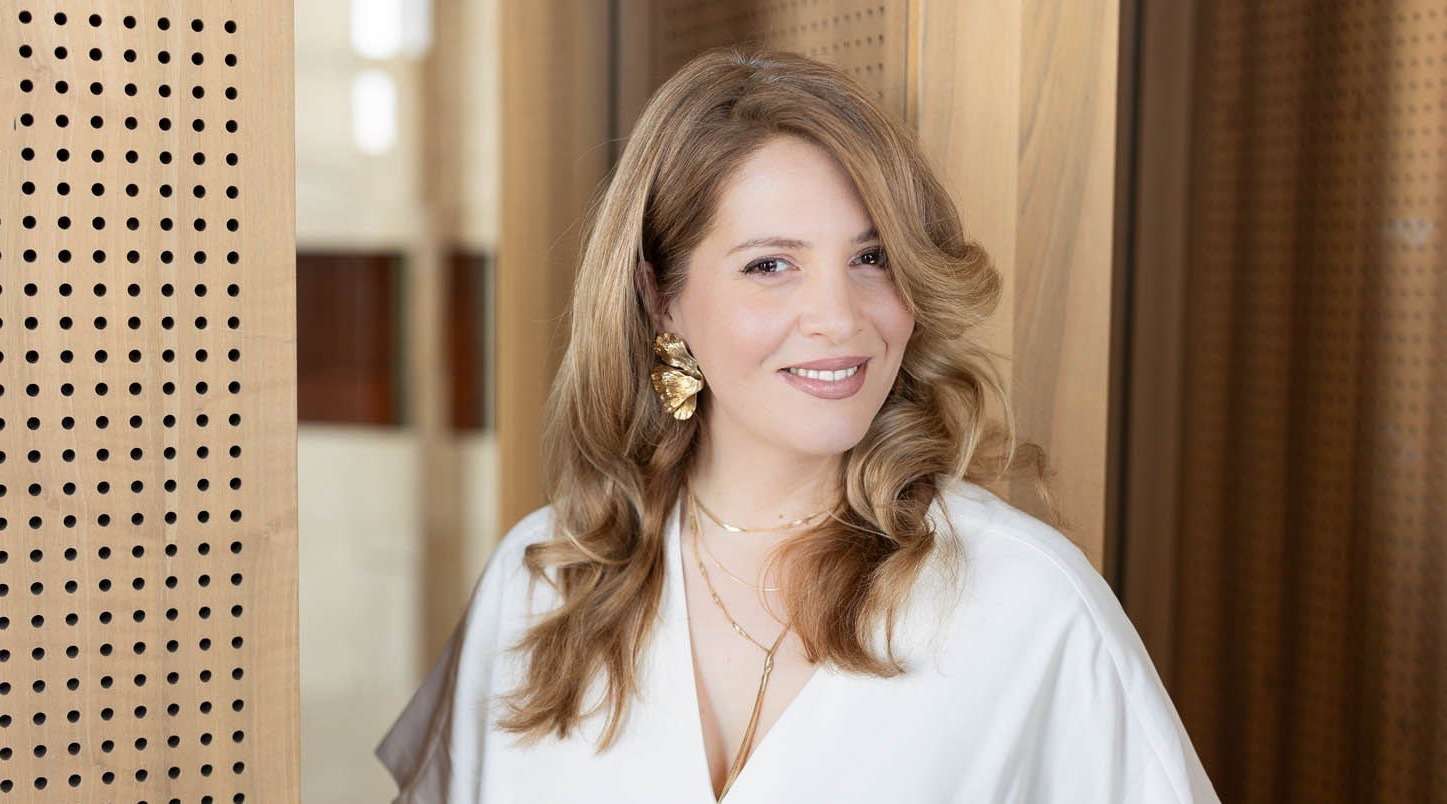
© Zsofia Palyi
Mezzo Soprano, Alto
Dorottya Lang
Represented by
Represented by
 BACK TO ARTISTS OVERVIEW
In February and March 2026, Dorottya Láng makes her house debut at the Zurich Opera House, appearing in Paul Hindemith’s opera Cardilac. She also takes part in a festive concert at the Zurich Opera House, performing Wagner’s Wesendonck Lieder in celebration of Ralf Weikert’s 85th birthday. Later in March 2026, she returns to one of her signature roles, Judit in Bartók’s Bluebeard’s Castle, with the Danish National Symphony Orchestra in Copenhagen, followed by a performance of Mahler’s Symphony No. 3 with the Hungarian Radio Symphony Orchestra at MÜPA Budapest. In May 2026, Dorottya Láng appears as soloist in Elgar’s Sea Pictures with the Thessaloniki State Symphony Orchestra at the Thessaloniki Concert Hall. The season concludes in July 2026 with further performances of Bartók’s Bluebeard’s Castle alongside the Israel Philharmonic Orchestra at the Lowy Concert Hall in Tel Aviv.
The 2024/2025 season marked a major milestone in the career of Hungarian mezzo-soprano Dorottya Láng, highlighted by her debut with the Berlin Philharmonic Orchestra under Daniel Barenboim in the alto solo of Mahler’s Das Lied von der Erde.
In January 2025, she appeared for the first time with Nederlandse Reisopera as the Composer in Richard Strauss’s Ariadne auf Naxos, followed in June by her debut as Venus in Wagner’s Tannhäuser at MÜPA Budapest, conducted by Ádám Fischer.
The previous 2023/2024 season brought critical acclaim for her interpretation of Judit in Bartók’s Bluebeard’s Castle, a signature role in her repertoire, marking her house debut at the Norwegian National Opera in Oslo. She also appeared as Waltraute in Wagner’s Götterdämmerung at MÜPA Budapest, again under the baton of Ádám Fischer.
Further recent highlights include performances of Wagner’s Wesendonck Lieder in Stockholm (cond. Leopold Hager), Bluebeard’s Castle at the Berlin Philharmonie (cond. Ádám Fischer), Wagner’s Rienzi at MÜPA Budapest (cond. Marc Albrecht), and Strauss’s Die Frau ohne Schatten at the Festspielhaus Baden-Baden with the Berlin Philharmonic Orchestra, conducted by Kirill Petrenko.
Dorottya Láng has collaborated with leading orchestras including the Rundfunk-Sinfonieorchester Berlin, Düsseldorfer Symphoniker, Vienna Symphony Orchestra, RSO Vienna, Hungarian Radio Symphony Orchestra, and the Hamburg State Philharmonic, working with conductors such as Thomas Dausgaard, Leopold Hager, Kent Nagano, Theodor Currentzis, Ingo Metzmacher, Andrés Orozco-Estrada, and Markus Stenz. She has also worked with renowned stage directors including Romeo Castellucci, Willy Decker, Stefan Herheim, Hans Schüler, among others. An acclaimed recitalist, Dorottya Láng has appeared at Wigmore Hall, Schubertiade, Vienna Konzerthaus, Oxford Lieder Festival, and many other international festivals.

Berliner Philharmoniker - Mahler: Das Lied von der Erde
Berliner Philharmoniker - Mahler: Das Lied von der Erde
R. Wagner: Rienzi Adriano Arie
MÜPA Budapest
R. Wagner: Rienzi Adriano Arie
MÜPA Budapest
E. Elgar: The Dream of Gerontius
MÜPA Budapest
E. Elgar: The Dream of Gerontius
MÜPA Budapest
R. Strauss: Sein wir wider gut…Arie der komponist
Reisopera Enschede
R. Strauss: Sein wir wider gut…Arie der komponist
Reisopera Enschede
Mahler - Das Lied von der Erde
Mahler - Das Lied von der Erde
She has a luscious mezzo backed up by plenty of power and a shining upper register, and is a class act
Dorottya Láng as Judit made a lovely, soft sound apt for a character who hopes her love will redeem the tormented soul next to her
Dorottya Láng brought a crucial native intensity to the Hungarian text"

...the emotional interpretation of Dorottya Láng. Her voluptuous mezzo displayed tones of gold and bronze, with beautiful high notes and a sensual timbre.
The outstanding performance of the evening came from Dorottya Láng as Die Dame. The Hungarian mezzo-soprano brought a warmth and attention to phrasing to her role which set her apart from an already very capable cast, and her words were consistently clear and well-projected. She is a singer of true quality.
The most ‘romantic’ aria in the opera belongs to this lady: mezzo-soprano Dorottya Láng sings the song Die Zeit vergeht, Rose zerfiel (Time passes, the rose withered) with a fabulously beautiful, warm voice and plays her covetous role with provocative sensuality.
Láng sang with elegant thoughtfulness, keeping us conscious of the tone and timbre through the changes occurring all around us.